Understanding How the Bible Is Organized
Learning the Structure of God’s Word
For many people, opening the Bible for the first time can feel overwhelming. The Bible is not a single book but a collection of sixty-six books written by many authors over hundreds of years. Understanding how the Bible is organized can help readers navigate Scripture with confidence and better understand God’s unfolding story.
Exploring the Structure of Scripture
The Bible Is a Library of Books
The word “Bible” comes from a word meaning “books.” The Bible contains sixty-six individual books written by prophets, kings, shepherds, fishermen, apostles, and others whom God used to communicate His truth.
These books were written in different places, during different periods of history, and for different audiences. Yet together they reveal God’s character, His promises, and His work of redemption.
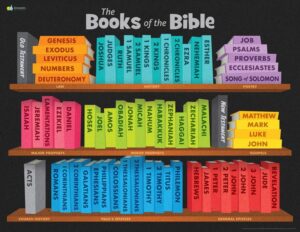
The Bible is divided into two major sections:
The Old Testament – 39 books
The New Testament – 27 books
Together these sixty-six books form the Christian Bible.
The Old Testament
The Old Testament records God’s work before the birth of Jesus Christ. It begins with Creation and follows God’s covenant relationship with His people through centuries of history.
The Old Testament is commonly grouped into five major sections.
The Law
Genesis
Exodus
Leviticus
Numbers
Deuteronomy
These books tell the story of creation, the patriarchs, the Exodus, and God’s covenant with Israel.
Historical Books
Joshua through Esther
These books record the history of Israel from entering the Promised Land through the return from exile.
Poetry and Wisdom Literature
Job
Psalms
Proverbs
Ecclesiastes
Song of Solomon
These books contain prayers, songs, wisdom, and reflections on life and faith.
Major Prophets
Isaiah
Jeremiah
Lamentations
Ezekiel
Daniel
These prophets delivered God’s messages during critical periods of Israel’s history.
Minor Prophets
Hosea through Malachi
These twelve books are called “minor” because they are shorter, not because they are less important.
The New Testament
The New Testament focuses on Jesus Christ, the birth of the church, and God’s continuing work through His people.
It is commonly grouped into five sections.
The Gospels
Matthew
Mark
Luke
John
These books tell the story of Jesus’ life, ministry, death, and resurrection.
History
Acts
The Book of Acts records the coming of the Holy Spirit and the growth of the early church.
Paul’s Letters
Romans through Philemon
These letters provide teaching, encouragement, correction, and instruction for believers and churches.
General Letters
Hebrews
James
1–2 Peter
1–3 John
Jude
These letters address a wide variety of Christian teachings and practical concerns.
Prophecy
Revelation
The final book of the Bible points to God’s ultimate victory and the fulfillment of His promises.
Chapters and Verses
Originally, the books of the Bible were not divided into chapters and verses.
Chapter divisions were added in the Middle Ages to help readers locate passages more easily.
Verse numbers were added later for the same purpose.
Today these divisions make it possible for Christians around the world to quickly find the same passage.
For example:
John 3:16
John = Book
3 = Chapter
16 = Verse
This system allows readers to locate specific passages quickly and accurately.
Understanding Bible References
Bible references follow a simple pattern.
Genesis 1:1 means:
Book: Genesis
Chapter: 1
Verse: 1
Romans 8:28 means:
Book: Romans
Chapter: 8
Verse: 28
Sometimes multiple verses are listed.
Psalm 23:1–4 means verses 1 through 4 of Psalm 23.
Learning how references work makes Bible study much easier.
One Story from Beginning to End
Although the Bible contains many books and different types of writing, it tells one grand story.
Creation
The Fall
God’s Covenant People
The Promise of a Messiah
The Life of Jesus
The Birth of the Church
The Return of Christ
The New Creation
Every part of Scripture contributes to this larger story.
As we understand how the Bible is organized, we become better equipped to read it, study it, and apply its truth to our lives.
Why This Matters
Knowing how the Bible is organized helps readers:
Find passages more easily
Understand where books fit into biblical history
Recognize different types of biblical literature
Follow God’s story more clearly
Study Scripture with greater confidence
The more familiar we become with the structure of the Bible, the easier it becomes to see how God’s Word fits together as one unified message of redemption and hope.
Related Pages
Getting Started with the Bible
Old Testament and New Testament
Bible Timeline
Major Themes of the Bible
How to Study the Bible
Understanding Context in Scripture
Understanding Old Testament History
Understanding the Old Testament World
Understanding the New Testament World
Learn the Story of God and the Old Testament
Continue Learning
Old Testament and New Testament
Bible Timeline
How to Study the Bible
Major Themes of the Bible
Understanding Old Testament History
How the Old Testament Points to Jesus


