Stained Glass Windows at Pleasant Grove United Methodist Church
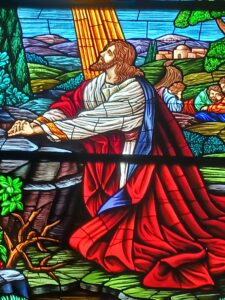
Light telling the story of faith.
Light, Faith, and the Story of Christ
The stained glass windows at Pleasant Grove United Methodist Church are more than beautiful artwork.
They are windows of faith—using light, color, and imagery to tell the story of Jesus Christ, reflect biblical truth, and inspire worship.
For generations, these windows have helped remind worshipers of God’s presence, grace, and hope.
Why Stained Glass Matters
Throughout church history, stained glass windows have helped teach the faith and lift hearts toward God.
They remind us that:
- Light shines in darkness
- Scripture speaks through symbols and story
- Beauty can point us to God
- Faith is passed from generation to generation
When sunlight shines through the glass, ordinary light becomes radiant color—a picture of God’s grace working through everyday lives.
Themes Found in Our Windows
(Adjust this list to match your actual windows)
Our windows reflect important moments and truths such as:
- The Life of Christ
- The Cross and Resurrection
- The Good Shepherd
- Prayer and Worship
- Discipleship
- Hope and Eternal Life
- Apostles and Christian symbols
Each window invites us to look deeper.
A Living Part of Worship
These windows are not only part of our history—they remain part of worship today.
As light fills the sanctuary, the windows continue to point hearts toward Christ and remind us of the great story of faith.
Come See Them in Person
We invite you to worship with us and experience the beauty and meaning of these windows firsthand.
Sunday School – 9:30 AM
Worship – 10:30 AM
Come and See what God is doing at Pleasant Grove United Methodist Church.
The Twelve
Sanctuary Windows
Discover the light shining through history and faith.
Step into our Sanctuary and experience the beauty of the twelve windows that tell God’s story through color, light, and art.
Each window in our Sanctuary is more than decoration—it’s a connection to faith, tradition, and the stories that have guided generations.
-
The twelve windows represent the twelve disciples.
-
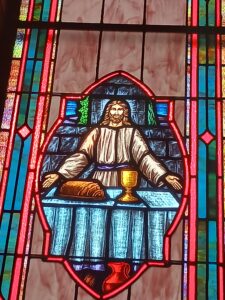
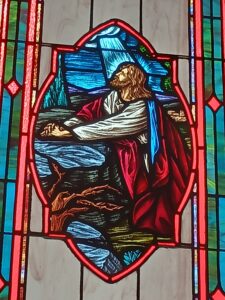
Eleven windows depict scenes from the life of Christ, while Window #1 shows Moses coming down Mt. Sinai with the Ten Commandments, connecting us to the Old Testament.
-
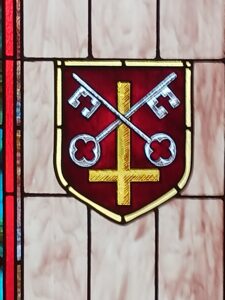
Each window features a unique shield, cross, and carefully chosen colors, thoughtfully designed by our Sanctuary Planning Committee in 1963 and preserved with care for future generations.
These windows are part of our family story—they reflect the faith and dedication of those who came before us and invite you to connect with God’s Word in a visual way.
As sunlight streams through each panel, it symbolizes Christ’s light shining into our lives.
Each detail—the shields, crosses, and scenes—offers a reminder that God’s presence surrounds us and guides us. The Planning Committee hoped these windows would inspire worship, reflection, and hope for all who enter, and we continue that tradition today.
Explore the windows below:
-
Click each image to see the full window and individual panels.
-
Learn the story behind each disciple, scene, and symbol.
-
Take a moment to reflect on what God’s light means in your life today.
 Plan your visit to the Sanctuary and experience the windows in person—let the beauty of God’s Word illuminate your heart.
Window 1
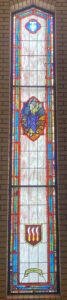
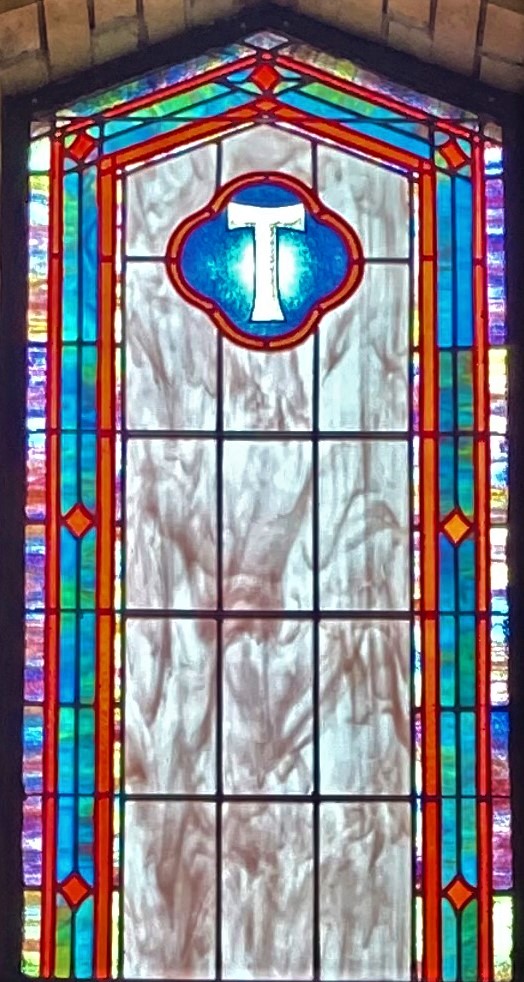
Cross: The Tau Cross, So-called because of the resemblance to the Greek letter T. This is the original form of the cross.
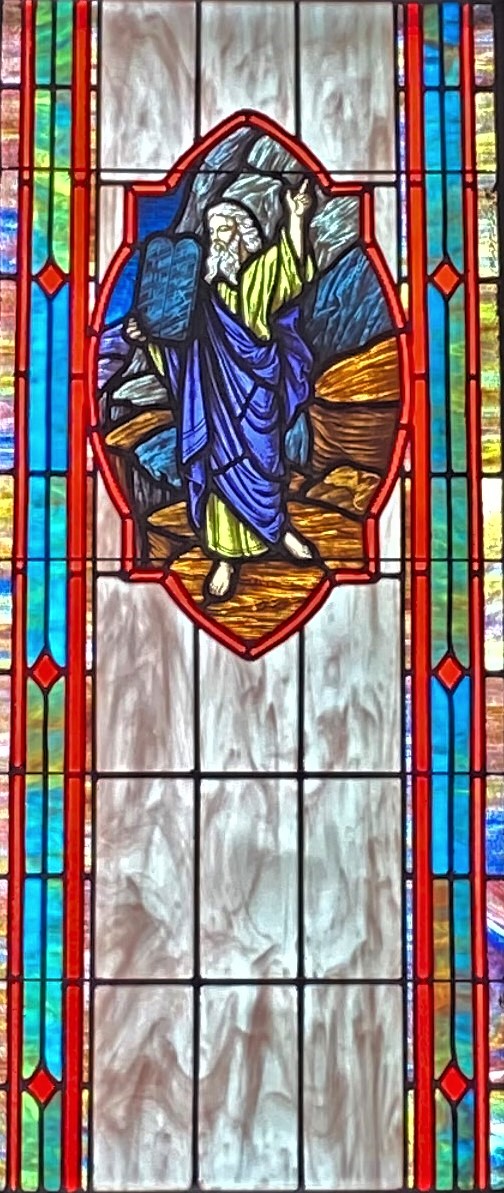
Biblical Scene: Mt. Sinai, Moses is coming down Mt. Sinai with the tablets with the Decalogue on them. The Law is the centerpiece of the Old Testament. (Exodus 32:15-16)
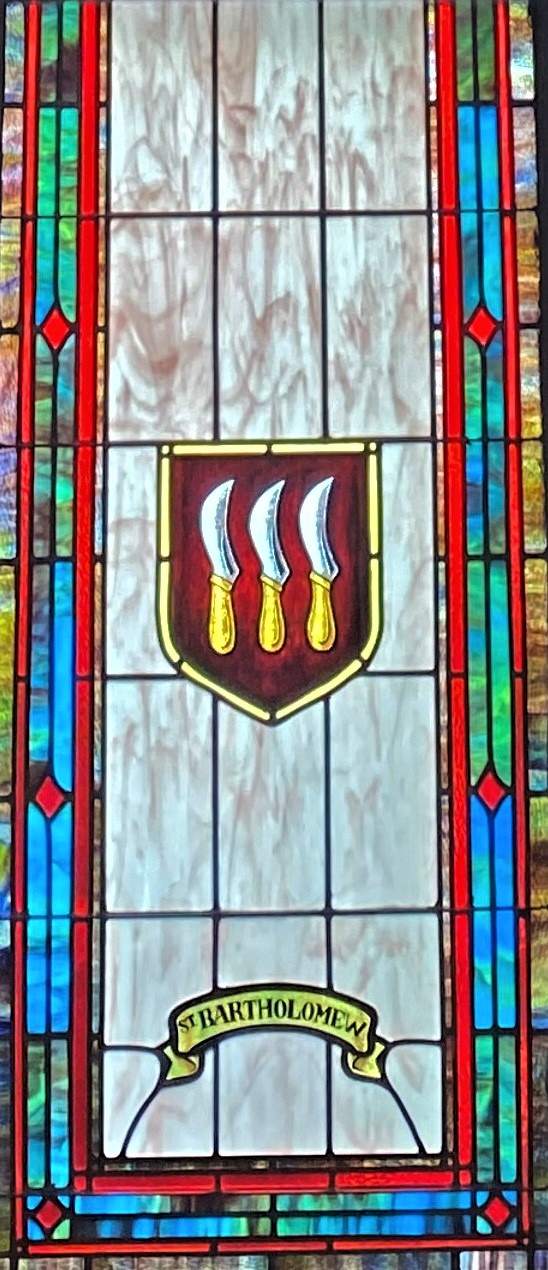
Disciple: St. Bartholomew, (Apostle, Martyr) He was sometimes known as Nathaniel. Armenia and India are believed to have been the areas of his missionary work. He is said to have been flayed alive, beheaded, and crucified (thus the flaying knives).
Window 2

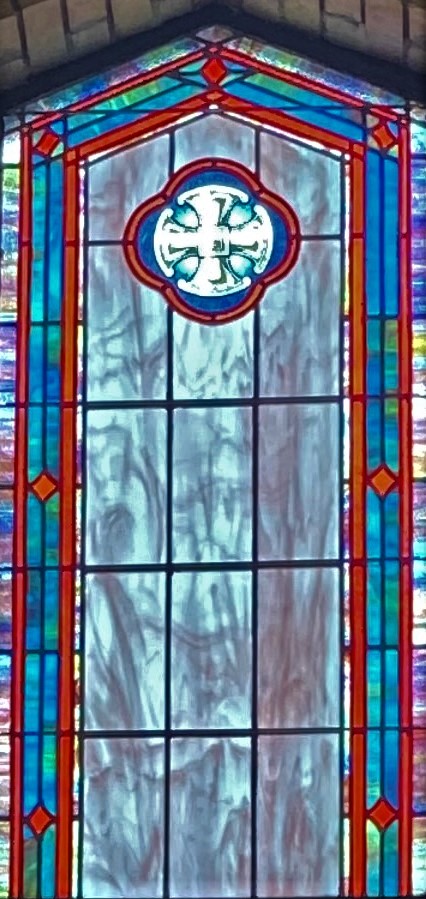
Cross: The Canterbury Cross
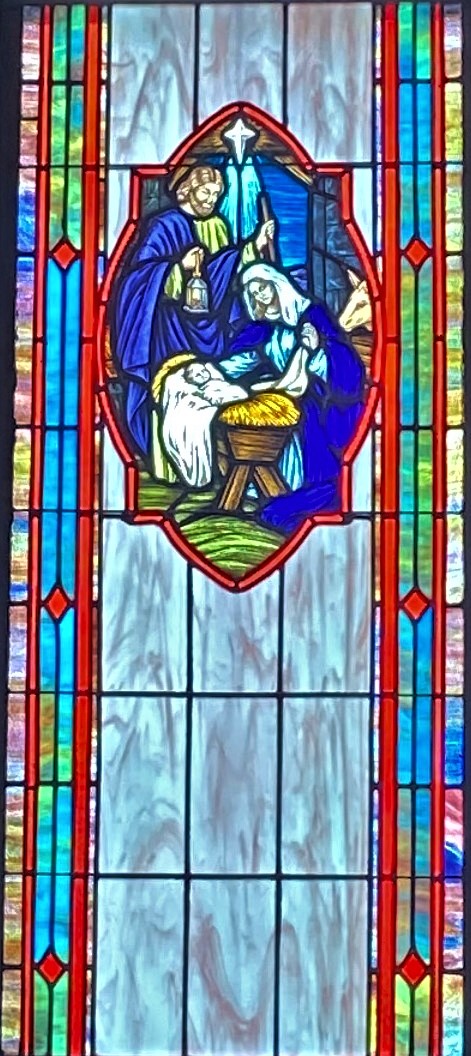
Biblical Scene: Nativity (Luke 2:7)
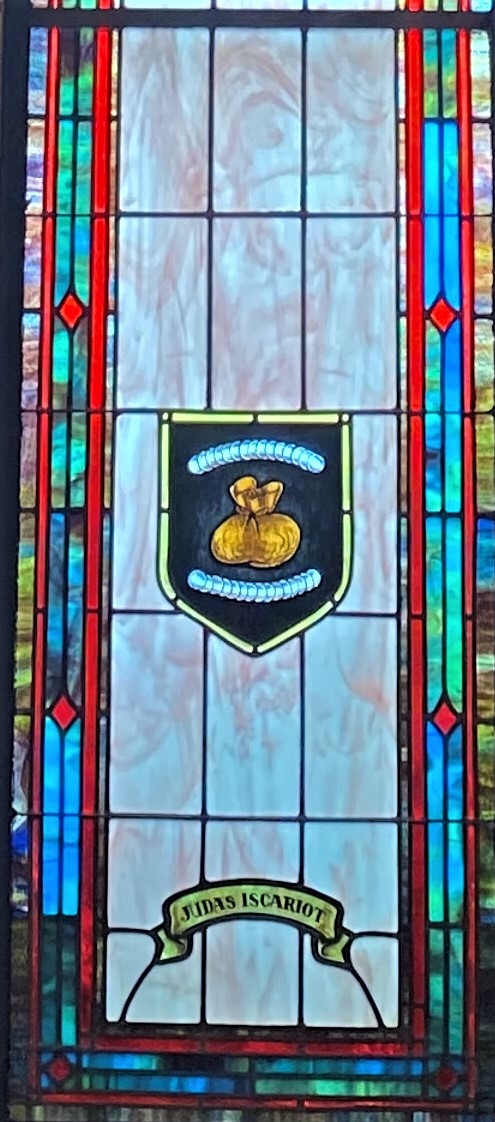
Disciple: Judas Iscariot, Thirty pieces of silver with a money bag represent Judas’ betrayal of Jesus.

Window 3

Cross: The Passion Cross, A form of the Latin Cross
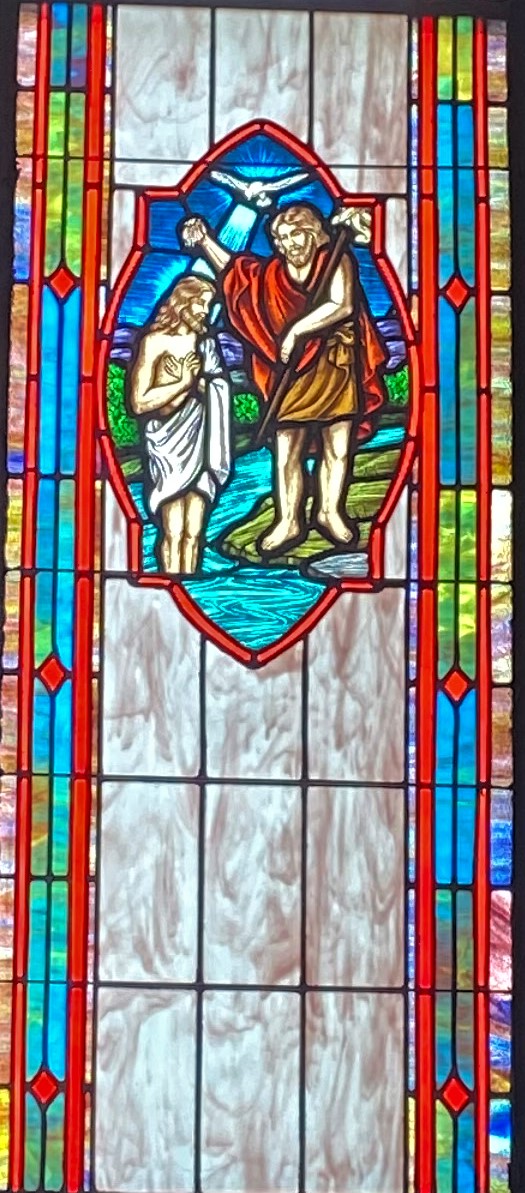
Biblical Scene: Jesus Baptized (Mark 1:9-11)
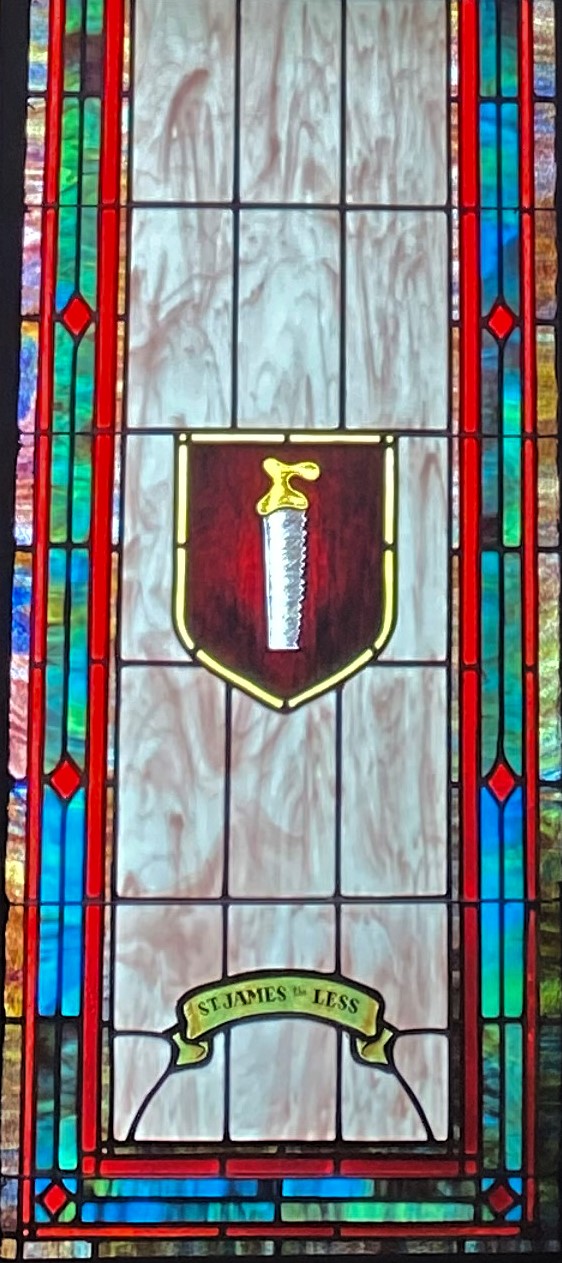
Disciple: St James the Less (Apostle, Martyr), This symbol refers to the tradition that St. James was cast down from a pinnacle of the temple in Jerusalem, beaten, stoned, and sawn asunder by the Jews.
Window 4
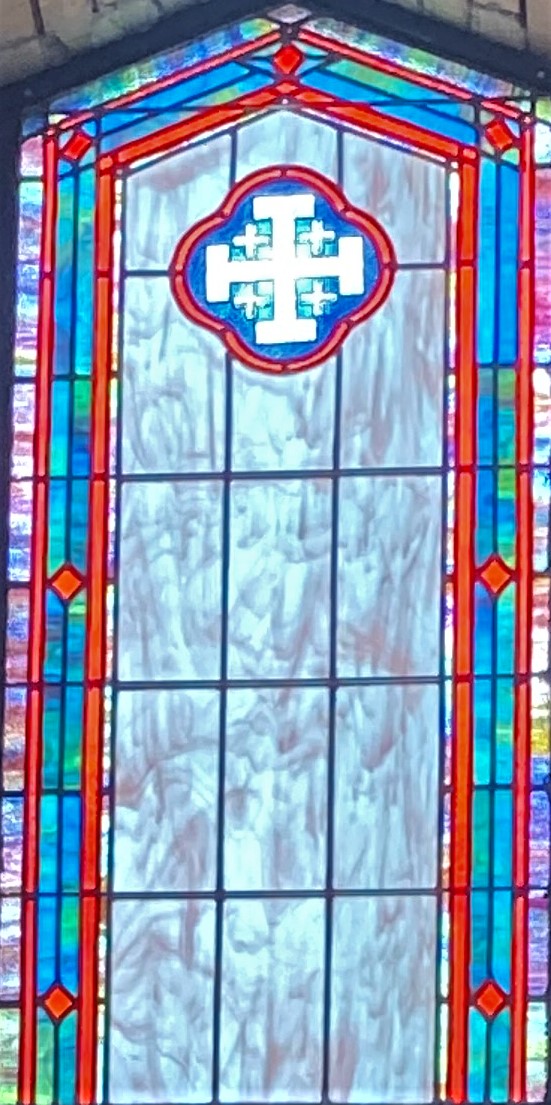
Cross: The Jerusalem or Crusader’s Cross, Usually has four small crosses between the arms, the five crosses between the arms, the five crosses symbolizing the five wounds of our Lord. Worn by Godfrey de Bouillon, first ruler of Jerusalem after the liberation from the Moslems.
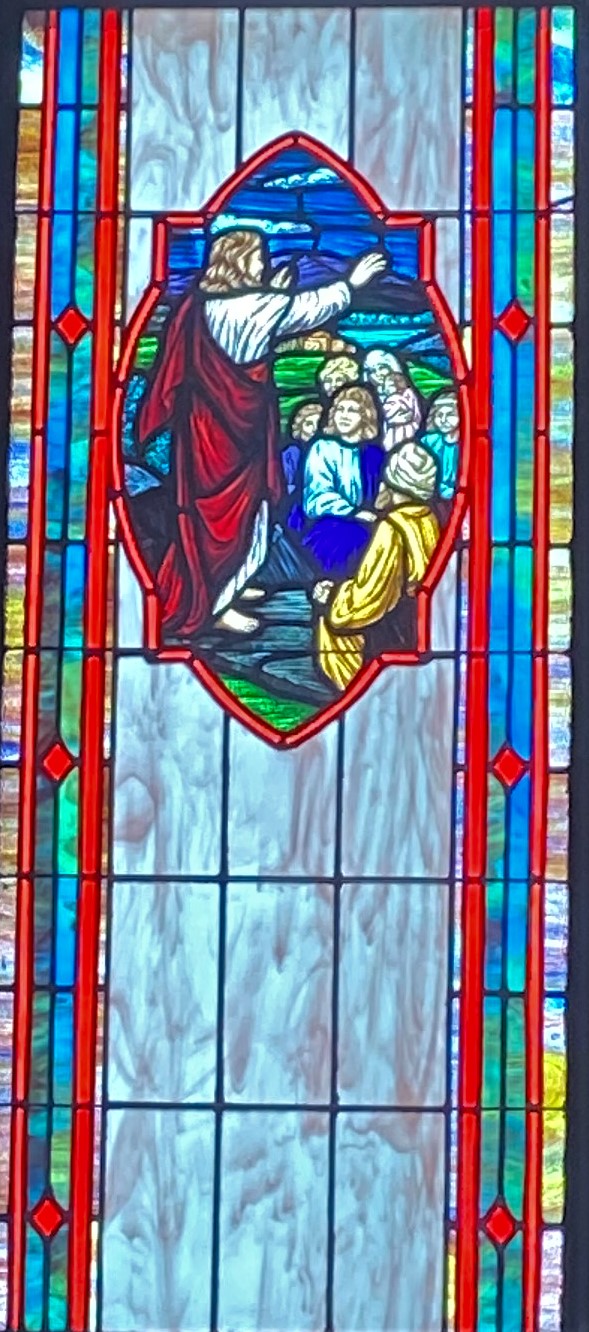
Biblical Scene: Jesus Teaching (Matthew 5:1-2)

Disciple: St. Simon (Apostle, Martyr), The companion of St. Jude on many missionary journeys, St. Simon was known as a great fisher of men through the power of the Gospel.